
January is National Walk Your Pet Month, a timely reminder that regular, thoughtful exercise plays an important role in the physical and emotional well-being of both dogs and cats. While walking is commonly associated with dogs, many cats also benefit from safe, structured outdoor experiences or indoor alternatives. When approached using Fear Free principles, walks and movement activities can strengthen the human animal bond while reducing stress, anxiety, and fear.
Why Walking Matters for Dogs (and some Cats)
Regular movement supports:
- Healthy weight management
- Joint and muscle strength
- Cardiovascular health
- Mental enrichment and stress reduction
Beyond physical benefits, walks provide valuable sensory stimulation. Sniffing, exploring, and observing the environment allow pets to engage their brains, which can help reduce boredom-related behaviors and improve overall emotional health.
For cats, “walking” may look different. While not all cats enjoy outdoor excursions, many benefit from controlled leash walks, cat-proof outdoor enclosures, or structured indoor play that mimics hunting and exploration. Cats are natural escape artists, so ensuring that their harness or enclosure is secure is essential to their safety.

Fear Free Walking Starts Before You Open the Door
Fear Free care extends beyond the veterinary hospital. The same principles used to reduce fear, anxiety, and stress during medical visits can be applied to daily routines like walks.
Key Fear Free considerations include:
- Choice and Consent
Never force a pet into a harness, leash, or carrier. Allow time for sniffing and investigation. Reward calm interest with treats or praise and take breaks as needed. - Proper Equipment
Use well-fitted harnesses rather than collars to reduce pressure on the neck.
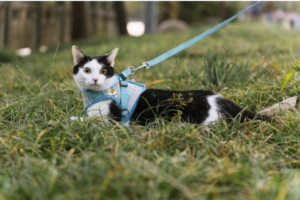
- Use well-fitted harnesses rather than collars to reduce pressure on the neck.
- For cats, choose a secure, escape-proof harness designed specifically for feline anatomy.
- Avoid equipment that causes discomfort or restricts movement.
3. Start Small
Short, predictable outings help build confidence. For some pets, simply standing outside the door or walking a few steps may be enough at first.
4. Watch Body Language
Signs of stress (such as freezing, pulling away, tucked tails, flattened ears, or excessive panting) indicate it’s time to pause or end the session. Fear Free walks prioritize emotional comfort over distance or duration.
Making Walks Enriching, Not Overwhelming
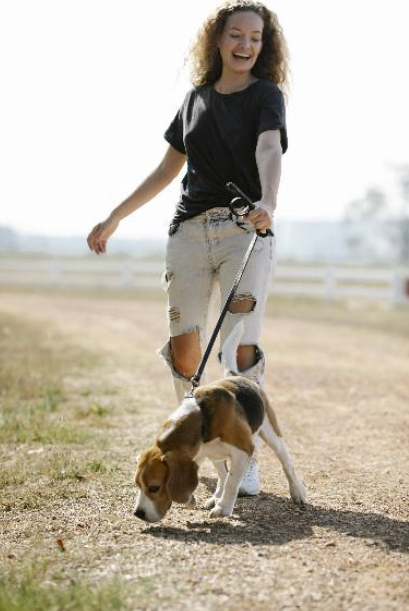
A successful walk does not require covering a certain number of miles. Allowing your pet to move at their own pace and engage with their surroundings is far more valuable.
- Let dogs stop and sniff- this is mentally enriching and calming.
- Avoid crowded or noisy environments if your pet is sensitive to stimuli.
- Senior pets or those with less mobility may enjoy their walks in a pet stroller.
- For cats, quiet outdoor spaces or indoor enrichment games (such as treat trails or wand toys) may be more appropriate than busy sidewalks.
Positive reinforcement, such as high-value treats or gentle verbal praise, helps pets associate walks with safety and enjoyment.
When Walking Isn’t an Option
Weather, medical conditions, or anxiety may make traditional walks difficult. In these cases, Fear Free alternatives include:
- Short indoor play sessions
- Puzzle feeders or scent games
- Hallway or backyard “sniff walks”
- Controlled leash time in a quiet, enclosed area
Always consult your veterinary team if you are unsure what level of activity is appropriate, especially for pets with arthritis, heart disease, or other health concerns.
A Gentle Step Toward Lifelong Wellness
National Walk Your Pet Month is about progress, not perfection. Even small movement routines can significantly improve your pet’s quality of life. By respecting your pet’s comfort level and emotional needs, you create positive experiences that support both physical health and trust.
If you have questions about safe exercise, harness fitting, or helping a fearful pet become more comfortable with walking, our team is always happy to help. Together, we can make every step a calm and confident one.
