Rabies is one of those diseases that most pet owners hope they will never have to think about. Fortunately, rabies is preventable, and vaccination is one of the most important things you can do to protect your pet, your family, and your community. Although rabies is relatively uncommon in people in the United States, it is still present in
wildlife throughout North Carolina, including here in Mecklenburg County. Once symptoms develop, rabies is almost always fatal. The good news is that vaccination and prompt action after a possible exposure can prevent this deadly disease.
What Is Rabies?
Rabies is a virus that attacks the central nervous system, including the brain and spinal cord. It affects mammals, including dogs, cats, people, bats, raccoons, skunks, foxes, and many other animals.
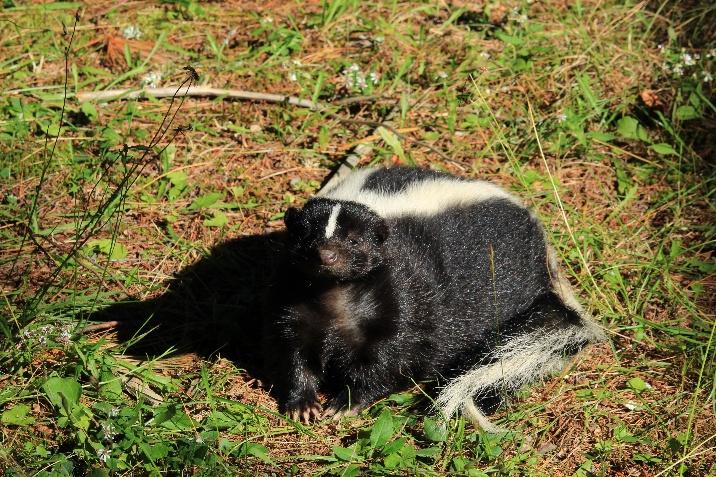
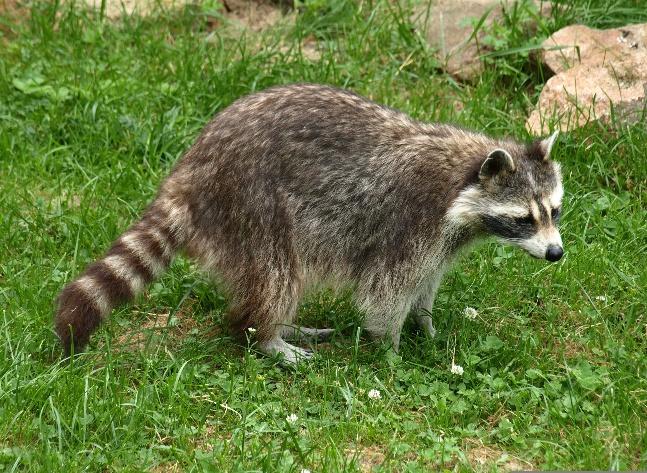
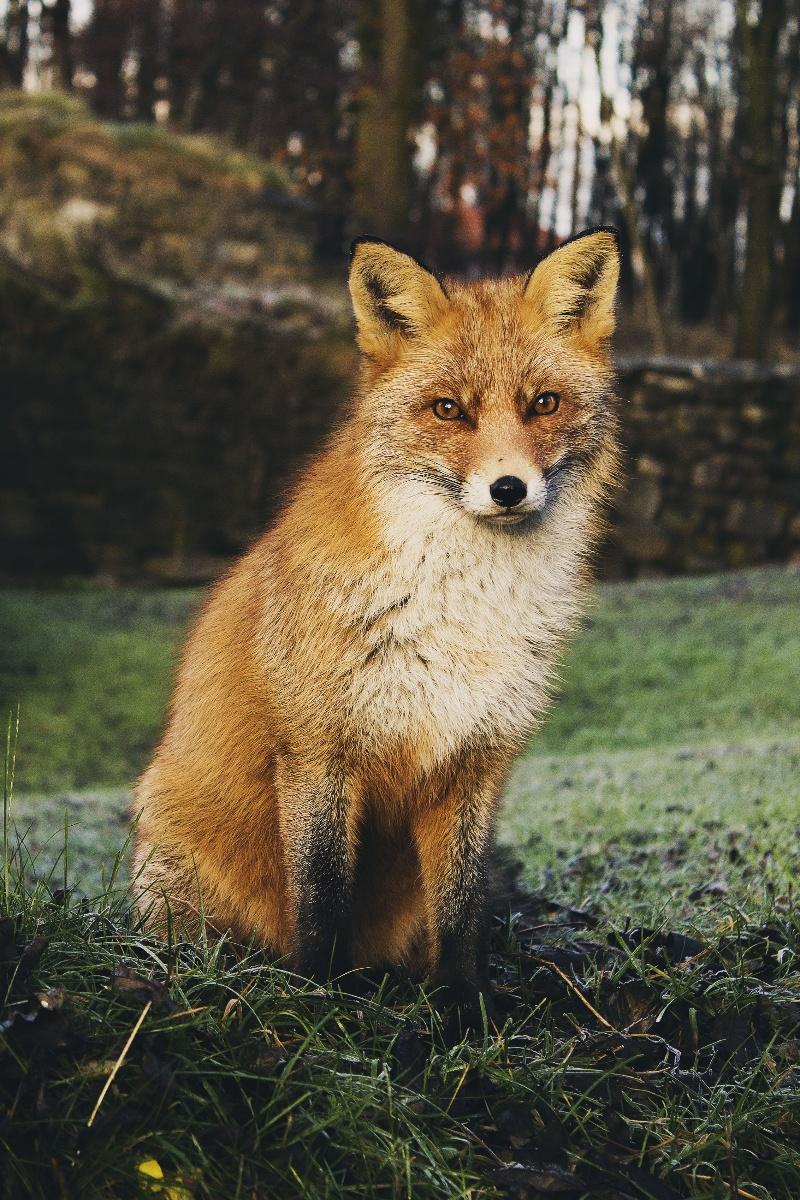
In North Carolina, rabies is most commonly found in wildlife. Raccoons, skunks, bats, and foxes are important sources of rabies exposure. In fact, rabies is present in wildlife in virtually every county in North Carolina.
Rabies is a zoonotic disease, meaning it can be transmitted from animals to people. This makes rabies prevention an important part of both veterinary medicine and public health.
Rabies Vaccination Is Required in North Carolina
Rabies vaccination is not optional for dogs, cats, and ferrets in North Carolina.
Under North Carolina law, dogs, cats, and ferrets must be vaccinated against rabies by 4 months of age and must remain currently vaccinated throughout their lives. Only rabies vaccines licensed by the USDA and approved for use in North Carolina may be used.
After the initial vaccination, your veterinarian will recommend when your pet needs a booster based on the vaccine used and its labeled duration of immunity. Depending on the vaccine and the pet’s vaccination history, boosters may be required every one or three years.
Keeping your pet’s rabies vaccination current is important even if your pet:
- Lives primarily indoors
- Rarely leaves the yard
- Does not interact with other animals
- Has never been exposed to wildlife
- Has been vaccinated in the past
An indoor lifestyle reduces risk, but it does not eliminate it. Bats and other wildlife can enter homes, and pets can occasionally escape or encounter wildlife unexpectedly.
How Is Rabies Spread?
Rabies is primarily spread through the saliva of an infected animal, most commonly through a bite.
The virus can also be transmitted when saliva or nervous tissue from an infected animal comes into contact with broken skin or mucous membranes, such as the eyes, nose, or mouth. Scratches can also pose a risk if they are contaminated with saliva.
Simply being near a wild animal does not mean that you or your pet has been exposed to rabies. Contact with an infected animal’s saliva or nervous tissue is the important concern.
Rabies is not spread simply by touching an animal, walking through an area where an infected animal has been, or touching contaminated objects such as clothing or bedding.
Which Animals Are Most Likely to Carry Rabies?
Any mammal can become infected with rabies. In North Carolina, however, wildlife is an important source of exposure.
Common rabies-vector species include:
- Racoons
- Bats
- Skunks
- Foxes
This is one reason untrained individuals should never attempt to handle, feed, rescue, or rehabilitate wild animals.
An animal that appears sick or behaves unusually should be left alone. Some warning signs can include unusual aggression, unusual friendliness, difficulty walking, weakness, paralysis, or other abnormal behavior. However, an animal does not have to look obviously sick to have been exposed to rabies.
When in doubt, keep your distance and contact animal control or local wildlife authorities.
What Is the Incubation Period?
The incubation period is the time between exposure to the virus and the development of symptoms.
Rabies does not cause immediate illness. The virus must travel through the nervous system to the brain before clinical signs develop. The incubation period can vary considerably and may last from weeks to a year or more. Factors such as the species of animal that was bitten, location, and severity of the exposure can affect how quickly symptoms develop.
This is one reason rabies exposures should always be taken seriously—even when the person or pet appears completely healthy immediately afterward.
Signs of Rabies in Animals
Rabies can cause changes in an animal’s behavior and nervous system. Early signs can be vague and may look like many other illnesses.
Possible signs include:
- Unusual behavior/ personality changes
- Restlessness or anxiety
- Lethargy
- Fever
- Loss of appetite
- Vomiting
- Difficulty walking or lack of coordination
- Weakness
- Difficulty swallowing
- Excessive drooling
- Aggression
- Self-mutilation
- Seizures
- Paralysis
Some animals may become unusually aggressive, while others may become quiet, withdrawn, or unusually friendly. Neurologic signs can progress rapidly.
It is important to remember that you cannot diagnose rabies based on behavior alone. Many other medical conditions can cause similar signs.
Signs of Rabies in People
Early symptoms of human rabies can be nonspecific and may resemble the flu. They can include:
- Fever
- Headache
- Weakness
- General discomfort
- Pain, itching, or unusual sensations near the site of the exposure
As the disease progresses, neurologic symptoms can develop. These may include:
- Anxiety
- Confusion
- Agitation
- Hallucinations
- Difficulty swallowing
- Excessive salivation
- Seizures
- Paralysis
- Hydrophobia, or fear of water caused by difficulty and painful spasms when trying to swallow
Once clinical signs of rabies develop, the disease is nearly always fatal.
This is why preventing rabies after an exposure is so important. You should never wait for symptoms to appear before seeking medical advice.
What Should You Do If Your Pet Is Bitten?
If your pet is bitten or potentially exposed to a wild animal, contact your veterinarian and local animal control or public health department promptly.
Do not attempt to capture or handle a wild animal yourself.
The appropriate response depends on the type of animal involved, whether the animal can be safely captured and tested, and whether your pet’s rabies vaccination is current.
A pet that is currently vaccinated generally has much greater protection following an exposure than an unvaccinated pet. However, vaccination does not mean an exposure should be ignored. Your veterinarian and public health officials will determine the appropriate next steps.
North Carolina has specific legal requirements for managing pets that are exposed to rabies, and the consequences can be significantly more serious for animals that are not currently vaccinated.
What If a Person Is Bitten or Scratched?
If you or someone in your family is bitten or scratched by an animal that could have rabies, seek medical advice promptly. Contact your healthcare provider and/or local health department to determine whether rabies post-exposure treatment is needed.
Do not attempt to capture a potentially rabid wild animal yourself. Rabies post-exposure treatment can prevent the disease from developing when it is given appropriately after an exposure. Once symptoms begin, however, treatment is generally not effective.
What About Bats?
Bats deserve special attention because they are an important source of human rabies exposure in the United States.
Never handle a bat with your bare hands. If a bat is found in a room where someone was sleeping, or if a person or pet may have had contact with a bat, contact public health authorities for guidance. A bite from a bat may be very small and may not always be noticed.
If your pet catches a bat, do not handle the bat yourself. Keep your pet away from it and contact your veterinarian and local animal control for instructions.
Why Vaccinating Your Pet Protects More Than Your Pet
Rabies vaccination is an important part of responsible pet ownership because it creates a protective barrier between wildlife, pets, and people.
A vaccinated dog or cat that encounters rabies-carrying wildlife is much better protected than an unvaccinated animal. Vaccination also helps reduce the possibility that an infected pet could expose members of the household or community.
In North Carolina, keeping your pet’s rabies vaccination current is both a legal requirement and an important public-health measure.
A Few Ways to Reduce Your Family’s Risk
You can take several simple steps to reduce the risk of rabies:
- Keep your pet’s rabies vaccination current.
- Do not allow pets to interact with wildlife.
- Keep pets away from sick, injured, or unusually behaving animals.
- Never attempt to handle a wild animal with your bare hands.
- Teach children not to approach unfamiliar animals or wildlife.
- Do not feed or attempt to rescue wild animals without proper training.
- Secure trash and other food sources that may attract wildlife.
- Make sure you know how to contact your local animal control and health department.
- Contact your veterinarian promptly if your pet has a possible exposure.
The Bottom Line
Rabies is a frightening disease, but it is also preventable.
Keeping your pet’s rabies vaccination current is one of the easiest and most important steps you can take to protect your pet, your family, and your community. In North Carolina, dogs, cats, and ferrets are required by law to be vaccinated by 4 months of age and to remain up to date throughout their lives.
Most importantly, respect wildlife, avoid contact with unfamiliar animals, and take bites, scratches, or possible exposure seriously.
If you are unsure whether your pet’s rabies vaccination is current, or if your pet has been exposed to wildlife, contact your veterinary team. We are happy to help you understand what steps you should take.