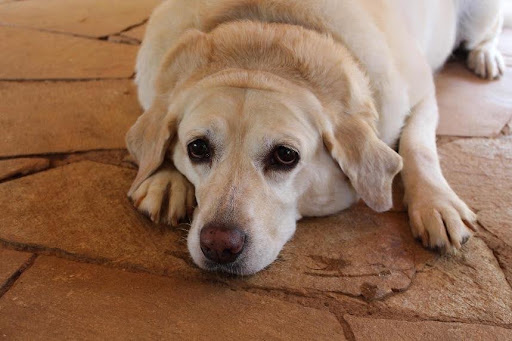
Those puppy-dog eyes are hard to resist. An extra treat here, a few table scraps there, and perhaps a little less exercise than usual can gradually add up. Before long, a pet who was once at a healthy weight may be carrying a few extra pounds.
In recognition of National Pet Obesity Day, we want to talk about something that can have a major impact on your pet’s health and quality of life: maintaining a healthy weight.
Pet obesity is more than a cosmetic concern. Excess weight can contribute to joint problems, reduced mobility, diabetes, respiratory difficulties, and other health concerns. The good news is that small, consistent changes can make a meaningful difference—and your veterinary team can help you develop a plan that works for both you and your pet.
What Is a Healthy Weight for Your Pet?
There is no single ideal weight for every dog or cat. Two pets of the same breed can have very different healthy weights depending on their size, build, age, muscle mass, and other individual factors.
That is why veterinarians use more than a number on the scale to evaluate a pet’s weight. One important tool is the Body Condition Score (BCS).
Understanding Body Condition Scoring
Friendship Animal Hospital uses the common nine-point body condition scoring system to evaluate the amount of body fat a pet is carrying. You may have seen your pet’s score in your after-visit summary or in your pet’s records. The ideal score for most adult dogs and cats is 4–5 out of 9.
Here is what those scores generally mean:
- 1–3: Underweight. The ribs, spine, and pelvic bones may be prominent, with very little body fat. A low score can indicate inadequate nutrition or an underlying medical problem.
- 4–5: Ideal body condition. The ribs can be felt easily beneath a thin covering of fat. When viewed from above, the pet has a visible waist, and when viewed from the side, the abdomen tucks upward behind the rib cage.
- 6–7: Overweight. The ribs become more difficult to feel, the waist becomes less noticeable, and fat deposits may develop around the back and base of the tail.
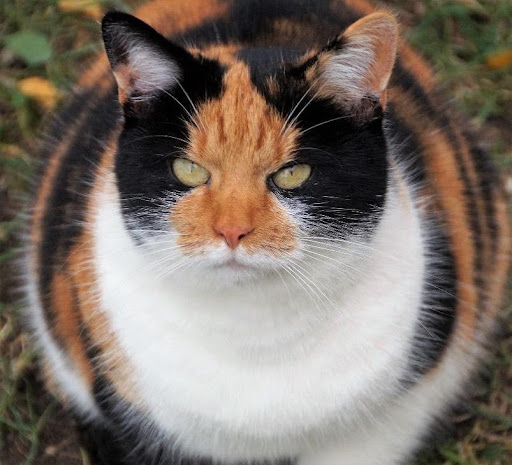
- 8–9: Obese. The ribs are difficult to feel beneath a thicker layer of fat, the waist may be absent, and substantial fat deposits may be present around the body.
Body condition scoring involves both looking at and gently feeling your pet. A thick coat can make visual assessment difficult, and a naturally stocky body shape can sometimes be misleading.
It is also important to distinguish body fat from muscle. An older pet can carry excess fat while simultaneously losing muscle mass. Your veterinarian can assess both body condition and muscle condition to develop a more complete picture of your pet’s health.
You can ask us to show you how to assess your pet’s body condition at home. Can your pet’s ribs be felt, and when viewed from the top, can you see a defined waist? From the side, do they have a defined tuck in their abdomen? With practice, you will become more familiar with what is normal for your individual companion.
Why Does Extra Weight Matter?
Extra weight places additional demands on your pet’s body. Even a relatively small amount of excess weight can be significant for a small dog or cat.
Overweight pets may be more likely to experience:
- Joint pain and arthritis: Arthritis is common, and additional weight increases the load on joints and can make movement more difficult.
- Reduced stamina: Carrying excess weight can make exercise and everyday activities more tiring.
- Diabetes: Obesity is an important risk factor for insulin resistance and diabetes, particularly in cats.
- Breathing and heat intolerance: Excess body fat can make it harder for pets to tolerate physical activity and warm weather.
- Reduced quality of life: Difficulty jumping, climbing stairs, playing, grooming, or walking can limit a pet’s ability to enjoy normal activities.
Maintaining a healthy weight can help protect mobility, support metabolic health, and make everyday life more comfortable.
Can a Healthy Weight Help Pets Live Longer?
Research suggests that maintaining a lean, healthy body condition throughout life may do more than improve comfort. It may also extend lifespan.
A landmark 14-year study followed 48 Labrador Retrievers from puppyhood throughout their lives. Researchers compared dogs fed to maintain a lean body condition with their paired littermates, who were fed more generously.
The dogs maintained at a lean body condition had a median lifespan of approximately 13 years, compared with 11.2 years for the control group—an average difference of 1.8 years. The lean-fed dogs also experienced delayed onset of certain chronic conditions, including osteoarthritis.
Importantly, the Labrador study does not mean you should automatically reduce your pet’s food by 25%. The feeding amounts were part of a controlled research protocol. Your pet’s nutritional needs are individual, and a safe feeding plan should be developed with your veterinary team.
How Can You Prevent Pet Obesity?
The best time to address excess weight is before it becomes a problem. Fortunately, weight management does not have to involve complicated routines or dramatic lifestyle changes.
- Measure Your Pet’s Food
One of the most effective ways to prevent gradual weight gain is to measure meals rather than estimate portions.
A scoop or cup can hold more food than you realize, especially when portions are rounded up. Use a standard measuring cup or, for greater precision, a kitchen scale.
Feeding guidelines on pet food packaging provide a starting point, but they are not a personalized prescription. Your pet’s age, activity level, body condition, health, and other factors affect how much food they need.
Ask your veterinarian at your next visit how much your pet should receive each day, then divide that amount into appropriate meals.
- Count Treats, Table Food, and Food Used for Medications
Your pet’s daily food intake includes everything they eat, not just what goes into the food bowl.
Treats, dental chews, training rewards, table scraps, pill pockets, and food used to administer medication all contribute calories. A few small extras can add up quickly, particularly for small pets.
A helpful guideline is to keep treats and other extras to no more than about 10% of your pet’s daily calories, with the majority of calories coming from a complete and balanced diet. Some pets may need a lower treat allowance as part of a weight-loss plan.
Try these alternatives:
- Set aside a portion of your pet’s regular daily food to use as training rewards.
- Break treats into smaller pieces.
- Offer a few pieces of their regular kibble instead of additional snacks.
- Use play, brushing, or affection as rewards when food is not necessary.
- Ask everyone in the household to follow the same feeding plan.
You do not have to stop rewarding your pet. You simply need to make those rewards part of the plan.
- Encourage Regular, Appropriate Exercise
Physical activity supports muscle strength, mobility, and overall health. It can also provide mental stimulation and reduce boredom.
For dogs, this might include regular walks, games of fetch, scent-based activities, or supervised play. For cats, try interactive wand toys, short play sessions, climbing opportunities, or food puzzles.
Start with activities your pet can comfortably manage and increase gradually. Pets with arthritis, heart or respiratory disease, mobility limitations, or significant obesity may need a modified exercise plan.
Exercise is beneficial, but it is not a substitute for appropriate nutrition. Weight management works best when food intake and activity are addressed together.
- Make Mealtimes More Engaging
Some pets finish their meals in seconds and immediately begin asking for more. Instead of adding food, consider making meals more interesting.
Food puzzles, slow feeders, and treat-dispensing toys can encourage pets to work for their food. Cats may enjoy having small portions placed in several locations or using puzzle feeders that encourage natural hunting behaviors. An internet search will show many ideas for homemade or purchased food puzzles!
Remember to account for the food in these activities as part of the daily allowance. The goal is to make feeding more engaging, not to add extra calories.
- Monitor Weight and Body Condition Regularly
Do not wait until your pet looks noticeably heavier to check their weight.
Ask your veterinary team to record your pet’s weight and body condition score at routine visits. For pets prone to weight gain, more frequent weigh-ins may be helpful. If you are concerned your pet is gaining (or losing) weight, any clients of Friendship Animal Hospital are welcome anytime we are open to bring their pets in and have them step on the scale to check.
At home, pay attention to changes in your pet’s waistline, how easily you can feel their ribs, and whether activities such as jumping, walking, or climbing stairs become more difficult.
Changes in weight can happen gradually, making them easy to overlook. Regular monitoring helps you recognize trends early.
What If Your Pet Already Needs to Lose Weight?
If your pet is overweight, do not feel discouraged. Weight management is a process, and you do not need to solve everything at once.
Start by scheduling a conversation with your veterinarian. The first step is to determine your pet’s current body condition, establish a realistic target weight, and identify any health concerns that could affect the plan.
Your veterinary team may recommend the following:
Determine an appropriate daily calorie allowance. Weight-loss needs differ from maintenance needs. Your veterinarian can estimate an appropriate calorie intake and adjust it based on your pet’s progress.
)Ol+the right diet. Simply feeding much less of a regular maintenance food may not provide enough essential nutrients. Depending on the pet, a therapeutic weight-management diet may help provide appropriate nutrient levels while controlling calories and supporting satiety.
Measure every meal. Use a consistent daily allowance and include treats, chews, and food used for medications.
Track progress. Regular weigh-ins help determine whether your pet is losing weight at an appropriate rate. Your veterinarian can adjust the plan when necessary.
Protect muscle mass. A successful weight-loss plan should reduce excess body fat while preserving muscle. Appropriate nutrition, activity, and monitoring are important parts of this process.
Plan for long-term maintenance. Reaching a target weight is not the end of the journey. Pets may regain weight if feeding amounts are not adjusted to their ongoing needs.
Weight loss should be gradual and supervised. Avoid crash diets, drastic food restriction, or unbalanced homemade weight-loss plans. Cats in particular can develop serious medical complications if they stop eating or lose weight too rapidly. If your cat refuses food, contact your veterinary team promptly.
Also, remember that unexplained weight gain or loss can sometimes signal an underlying health problem. Do not assume every change is simply a matter of eating too much or exercising too little.
A Few Common Weight-Management Questions
Should I feed my pet according to the instructions on the bag?
Use those instructions as a starting point, not a guarantee. Individual calorie requirements vary, and your veterinarian can help determine an appropriate daily amount.
Is my pet overweight if they weigh more than the breed standard?
Not necessarily. Breed weight ranges can be useful references, but individual body structure and muscle mass vary. Body condition and a veterinary assessment provide more useful information for determining an appropriate weight.
Can I just cut my pet’s food in half?
No. A drastic reduction can leave your pet short of essential nutrients and may be unsafe. Ask your veterinarian to calculate an appropriate feeding plan.
My pet always acts hungry. Does that mean they need more food?
Not always. Begging can be a learned behavior, a response to routine, or a sign that meals are not satisfying. Food puzzles, scheduled meals, appropriate treats, and veterinary guidance can help. If your pet develops an unusual increase in appetite, mention it to your veterinarian. There are filling, low-calorie snack options for your pets that we can discuss with you.
Can indoor cats become overweight even if they are active?
Yes. Indoor cats can gain weight when calorie intake exceeds their energy needs. Measuring meals, controlling treats, providing daily interactive play, and using food puzzles can all help.
Let’s Work Together to Keep Your Pet Healthy
Helping a pet maintain a healthy weight is one of the most valuable things you can do for their long-term well-being. It does not require perfection. It requires a consistent approach, realistic goals, and a plan tailored to your pet.
This National Pet Obesity Day, take a moment to consider your pet’s body condition. Can you feel their ribs? Do they have a visible waist? Have you noticed any changes in their weight, mobility, or energy?
If you are unsure whether your pet is at a healthy weight, we are happy to help. Our veterinary team can assess your pet’s body condition, discuss their nutritional needs, and help you develop a practical plan for preventing weight gain or safely losing excess weight.
A healthy weight is not just about how your pet looks. It is about helping them move comfortably, enjoy their favorite activities, and make the most of the years you share together.